Budget Travel Guide to North Coast Egypt: Smart Ways to Save on Hotels in El Alamein Egypt, Dining, and Transit
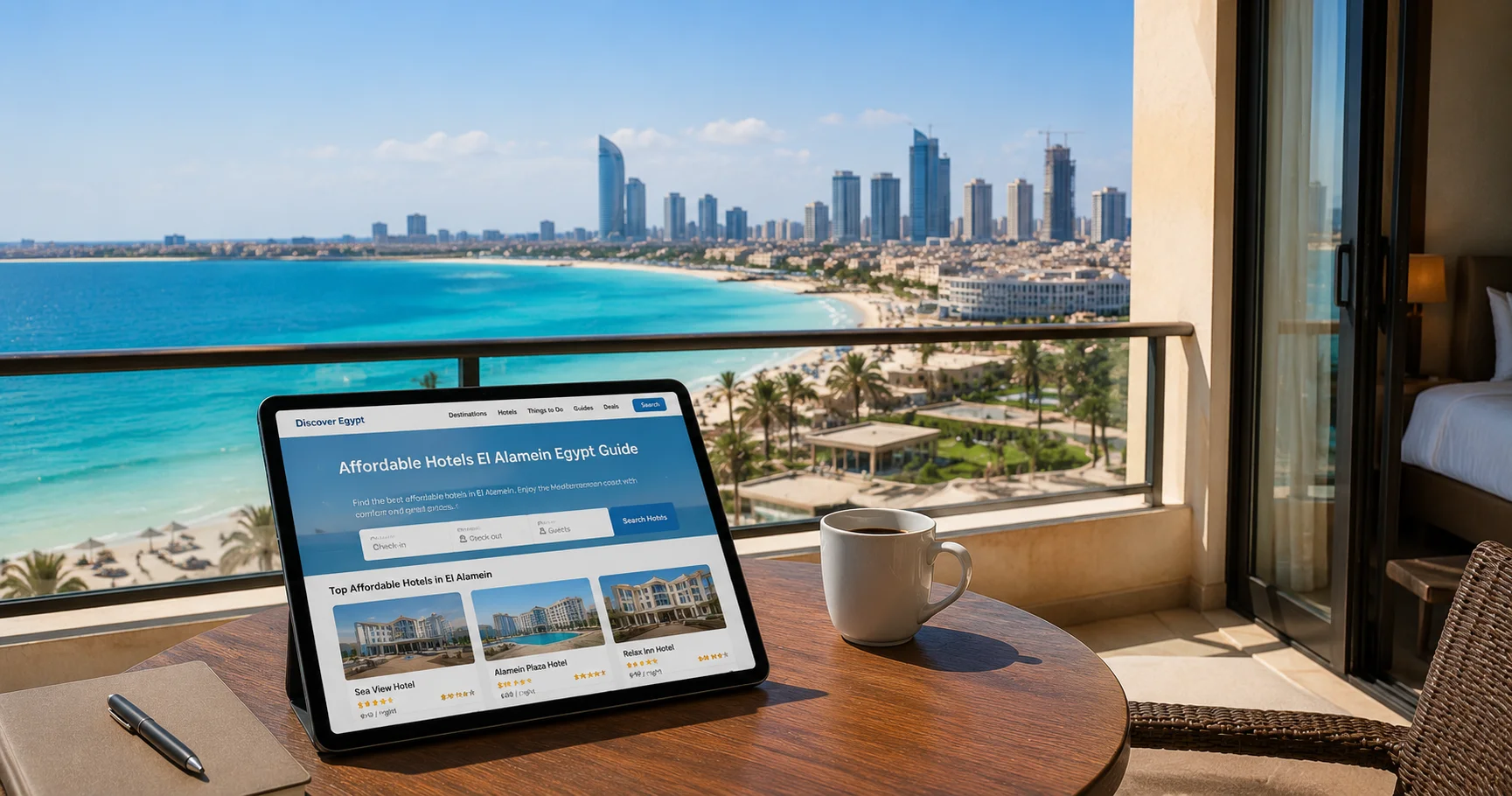
The glittering turquoise waters of Egypt’s Mediterranean coast have long carried a reputation for exclusive luxury and runaway vacation budgets. Travelers frequently assume that experiencing the pristine white sands of the North Coast requires sacrificing thousands of dollars or millions of Egyptian pounds for a brief stay in an ostentatious beachfront compound. This financial barrier often discourages independent travelers, families, and budget-conscious explorers from experiencing one of the most remarkable coastlines in the world. However, an analytical look at the regional hospitality infrastructure reveals that spectacular coastal access does not require booking an ultra-luxury mega-resort. By shifting focus toward strategically positioned, highly comfortable hotels in El Alamein Egypt, smart travelers can completely decouple the premium Mediterranean experience from the premium price tag.
The common misconception that the North Coast—locally known as Sahel—is exclusively an playground for the ultra-wealthy stems from heavy marketing campaigns centered around sprawling international resort complexes. These massive developments bundle lodging, private beaches, fine dining, and entertainment into highly inflated packages that lock guests into a captive spending ecosystem. Once inside these compounds, a single meal or a simple taxi ride can cost five times the national average. Bypassing this financial trap requires a fundamental shift in travel strategy: prioritizing structural comfort and geographic utility over resort branding, and understanding the urban layout of the rapidly developing El Alamein region.
The Financial Anatomy of the Egyptian North Coast
To build a cost-effective itinerary, one must first comprehend the economic forces that drive pricing along Egypt’s northern shoreline. For decades, Sahel operated on a highly compressed seasonal model, compressed almost entirely into the peak summer months of July and August. During this short window, mega-resorts attempt to capture their entire annual operational revenue, resulting in extreme room rate inflation and aggressive pricing structures. Understanding this seasonal volatility is the first step toward reclaiming control of your travel expenditure.
In recent years, the Egyptian government’s massive urban development initiative has transformed El Alamein from a historical battlefield and seasonal outpost into a fully functioning, year-round metropolitan hub known as New Alamein City. This structural transformation works heavily to the advantage of the budget-conscious traveler. The emergence of permanent civic infrastructure means that standard-priced services, civilian supermarkets, public transportation networks, and independent hotels are now operational throughout the year, breaking the monopoly previously held by isolated luxury compounds.
When analyzing the true cost of a coastal vacation, lodging represents the primary financial anchor, but incidental expenses frequently cause the total budget to spiral out of control. In a luxury resort environment, incidental costs are intentionally optimized to extract maximum revenue from a captive audience. By separating your accommodation choice from the resort ecosystem, you regain the autonomy to source food, transit, and recreation from competitive, open markets where prices reflect standard Egyptian economic realities rather than arbitrary tourist premiums.
Selecting a mid-tier hotel in El Alamein’s urbanized sectors reduces baseline accommodation costs by up to 60% compared to frontline international resorts. This initial saving creates a compounding financial benefit throughout the trip, as independent hotels do not impose the mandatory high-cost meal plans or inflated service surcharges characteristic of major resort brands.
The Hidden Mathematical Traps of Ultra-Luxury Resorts
Choosing a massive, five-star resort along the North Coast often seems appealing due to the convenience of all-inclusive packaging, but a rigorous line-by-item financial breakdown reveals significant hidden penalties. The primary issue is the structural application of hospitality taxes and service charges in Egypt. A published room rate of $300 per night at a luxury resort quickly escalates after the compounding addition of a 12% service charge, 14% Value Added Tax (VAT), and a local municipality tax. These percentages apply not just to the room, but to every bottle of water, room service order, and spa treatment charged to your folio.
Furthermore, mega-resorts are intentionally designed as self-contained micro-economies located miles away from local towns or municipal markets. This geographical isolation creates a captive consumer dynamic. If a traveler desires a simple snack, a soft drink, or basic sun protection, they are forced to purchase these items from the resort’s internal boutiques or restaurants, where markups regularly reach 300% to 400% above standard market rates. Over a seven-day stay, these minor daily inflations accumulate into a substantial financial burden that completely eclipses the initial cost of the room.
Another significant hidden penalty is the mandatory half-board or full-board buffet structure. While appearing cost-effective on paper, these dining plans charge a flat, high-premium rate per person per day. Guests are forced to consume large, repetitive buffet meals at specific hours, eliminating the flexibility to sample authentic, low-cost local culinary options in the city center. If you choose to skip a resort buffet to eat elsewhere, you effectively pay twice for a single meal slot, further undermining the efficiency of your travel capital.
Evaluating Strategic Hotels in El Alamein Egypt: Comfort vs Luxury
The core of a successful budget strategy along the Mediterranean coast involves shifting your evaluation metrics from luxury vanity to structural comfort and spatial utility. A high-value accommodation strategy prioritizes exceptional cleanliness, reliable climate control, modern plumbing, secure premises, and proximity to transportation links, while discarding expensive non-essentials like marble lobbies, manicured golf courses, and multi-tiered private pool complexes.
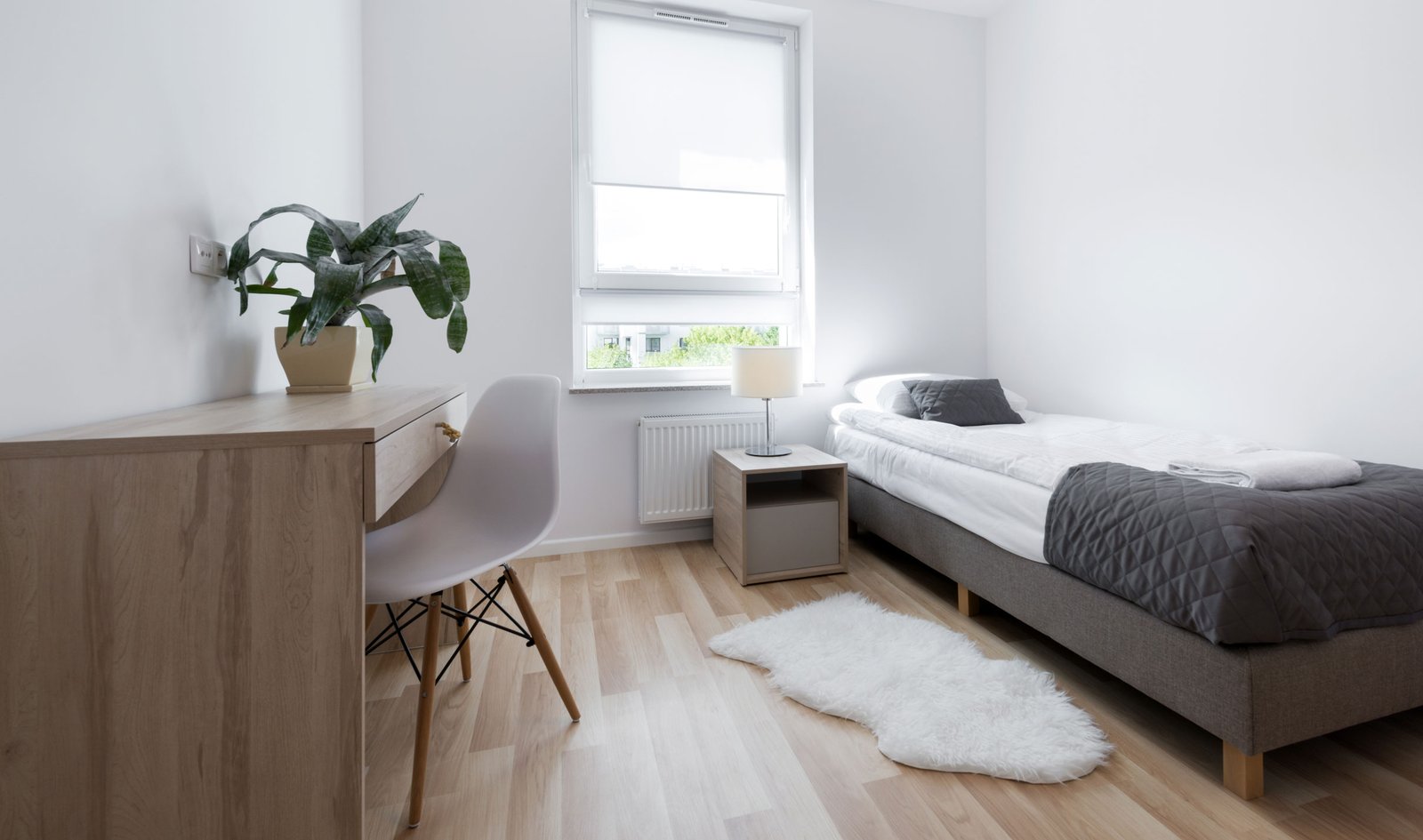
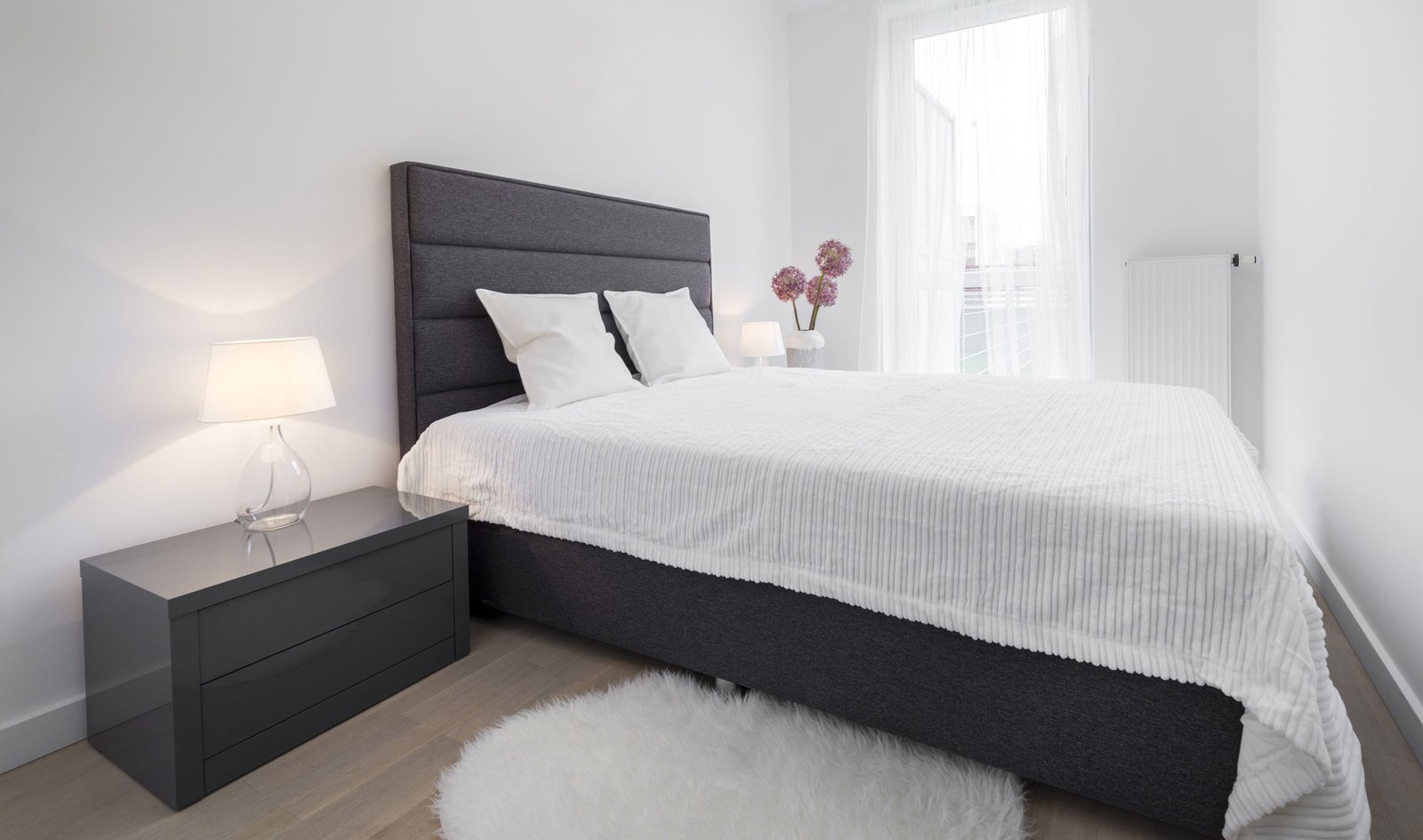
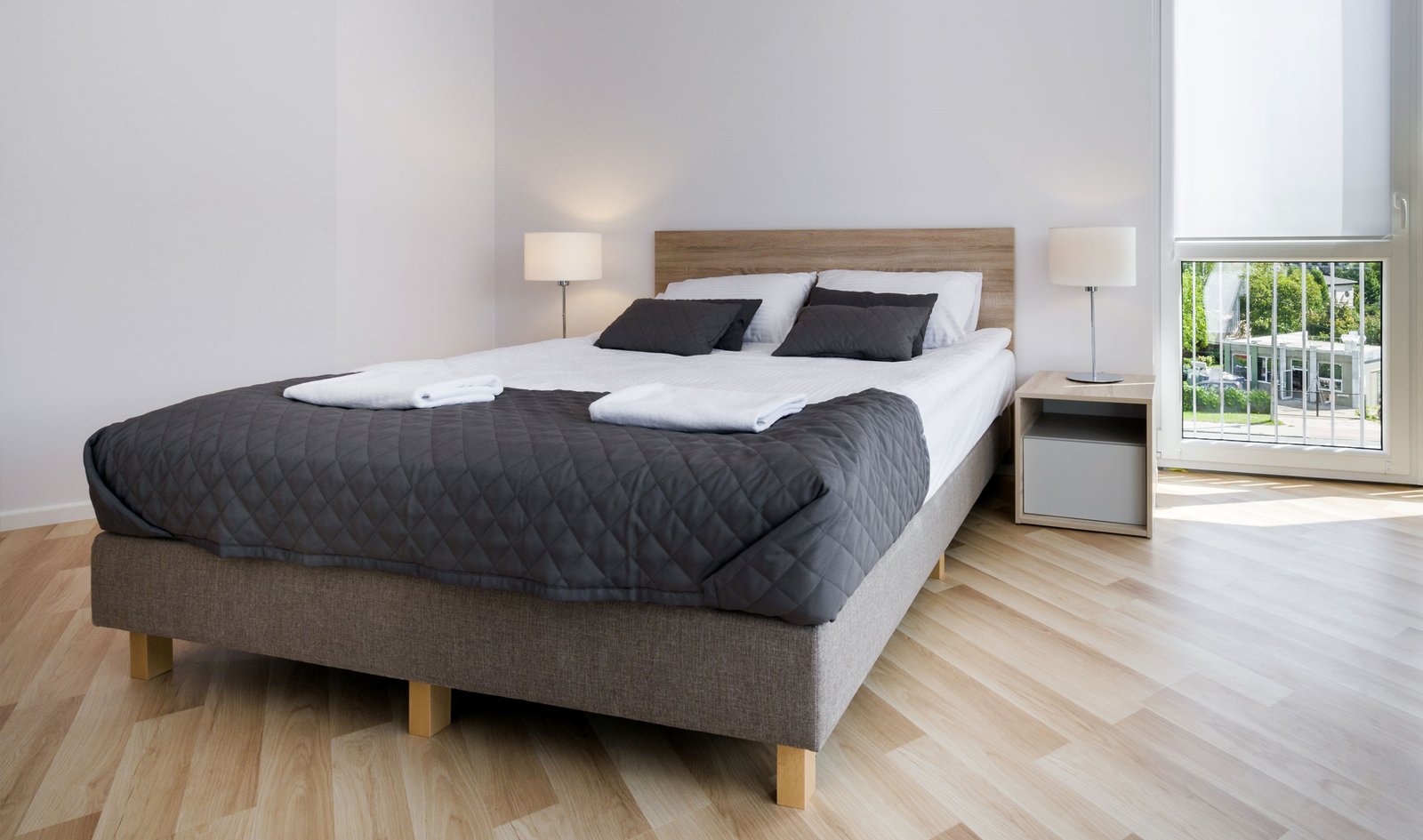
When investigating various hotels in El Alamein Egypt, the market presents several high-utility alternatives to the traditional mega-resort model. Apart-hotels, independent boutique properties, and modern business hotels situated within New Alamein’s urban grid offer exceptional value. These properties cater to professionals, independent tourists, and domestic families who require reliable, comfortable lodging without the premium markup associated with private resort real estate.
Independent apart-hotels in El Alamein provide a critical competitive advantage by offering functional in-room kitchenettes that allow travelers to eliminate retail restaurant dependencies.
By utilizing a space equipped with a refrigerator, a stove, and basic utensils, a family can prepare breakfast and simple mid-day meals using locally sourced ingredients, preserving their dining budget exclusively for high-value evening experiences. This operational adjustment alone can save thousands of Egyptian pounds over the course of a single week.
Moreover, smaller, independent hotels often provide far more agile and personalized customer service than massive corporate operations. The staff at an independent hotel in downtown El Alamein or near the civic center are deeply embedded in the local community. They possess accurate, non-touristic knowledge regarding local transportation routes, fair taxi pricing, high-quality local markets, and hidden public beaches, serving as a valuable asset for navigating the region efficiently.
Geographical Breakdown of El Alamein Zones for the Cost-Conscious Traveler
Navigating the El Alamein region requires a clear understanding of its distinct geographical zones. The area is not a homogenous strip of coastline; rather, it is a mosaic of historical districts, newly constructed urban grids, and older vacation communities, each carrying drastically different price structures for lodging, food, and daily transit.
El Alamein Downtown (The Old Town / Civic Center)
The historic downtown area of El Alamein stands as the absolute anchor for budget travel in the region. Located slightly inland from the primary beach zones, this area operates as a genuine Egyptian town rather than a synthetic tourist enclave. Here, the cost of living mirrors standard national rates, far removed from the hyper-inflation of the coastal developments.
Staying in the downtown district gives you direct access to highly economical lodging options, ranging from clean, locally owned hotels to modern rental apartments. The primary financial advantage of this zone is its proximity to everyday civilian infrastructure, including local fruit and vegetable markets, traditional bakeries, pharmacies, and regional transportation hubs. While you do not step directly onto the sand from your hotel lobby, the financial savings achieved here easily offset the minor logistical effort required to travel to the nearby coastline.
New Alamein City Urban Grid
The newly developed residential and commercial sectors of New Alamein City represent a middle ground between urban affordability and modern coastal living. This zone features wide boulevards, state-of-the-art public works, and a rapidly expanding inventory of modern apartment buildings and mid-tier business hotels.
The urban grid is explicitly designed for multi-seasonal occupancy, meaning it contains fully stocked hypermarkets, retail clothing chains, and casual dining corridors that compete on standard corporate pricing models rather than seasonal resort pricing. Hotels located within this grid, but positioned a few blocks behind the frontline skyscrapers, offer exceptional modern comforts—such as central air conditioning, high-speed internet, and contemporary security—at a fraction of the cost of beachfront properties.
Marina El Alamein (The Established Gate System)
Marina is a vast, historic vacation compound subdivided into several distinct gates (Gates 1 through 7). While parts of Marina lean toward luxury rentals, the older phases (specifically Gates 1, 2, and 3) contain an abundance of older chalets, villas, and low-rise hotels that offer remarkable value, particularly for groups or families traveling together.
The strategic advantage of the early Marina gates lies in their established infrastructure. Because these areas were built decades ago, their real estate overhead is fully amortized, allowing owners and local property managers to offer competitive rental rates. Furthermore, Marina features internal lagoons and older commercial centers that provide safe, calm swimming areas and affordable dining options without the aggressive crowd-control restrictions found in the ultra-exclusive, newly developed western compounds.
Sidi Abdel Rahman
Located further west along the coast, Sidi Abdel Rahman is world-renowned for possessing some of the softest white sands and clearest waters on the Mediterranean. This region is heavily dominated by ultra-luxury master-planned communities and international five-star resorts. At first glance, it appears entirely incompatible with budget travel.
However, a savvy traveler can exploit this zone by seeking out localized pockets of affordability situated just across the main Alexandria-Marsa Matrouh desert road, directly opposite the luxury developments. The land side of the highway features emerging residential communities, local service centers, and independent guest houses. By lodging in these mainland properties, you position yourself a mere five-minute drive from the spectacular Sidi Abdel Rahman coastline while avoiding the astronomical lodging premiums levied by the frontline beachfront developments.
The Ultimate Food Logistics Blueprint for El Alamein
Food expenditure is often the stealth budget killer of any vacation along the North Coast. In a high-end resort setting, a casual lunch consisting of a basic sandwich and a soft drink can easily cost as much as an entire day’s worth of traditional Egyptian street food in a metropolitan center. Breaking this dependency requires an actionable strategy based on sourcing meals from authentic local environments.
The foundational rule of economical dining in El Alamein is to look for where local workers, shopkeepers, and year-round residents eat. The downtown core of El Alamein features numerous traditional Egyptian grill houses, falafel stands, and seafood operations that price their offerings by weight and standard market value rather than a luxury markup.
+-----------------------------------+-----------------------------------+
| Dining Category                   | Resort Captive Environment        | Local Civic Alternative           |
+-----------------------------------+-----------------------------------+
| Basic Seafood Meal (Per Person)   | Extremely High Fixed Premium      | Market Price by Weight (Town)     |
| Staples (Falafel, Kushari, Ful)   | Frequently Unavailable / Premium  | Standard National Base Rates      |
| Water & Household Provisions       | 300%+ Hospitality Premium         | Fixed Retail Price (Hypermarkets) |
+-----------------------------------+-----------------------------------+
For seafood lovers, navigating the local fish markets yields immense financial savings. Instead of ordering seafood inside a resort dining room, travelers can visit local fishmongers in El Alamein town, select their raw catch directly from the ice counter—whether it be fresh Mediterranean sea bass, red mullet, or shrimp—and request it to be grilled or baked on-site using traditional Egyptian methods. This approach guarantees maximum freshness while reducing the total cost by more than half compared to high-end resort menus.
Purchasing household provisions from major national hypermarket chains located within the New Alamein urban grid ensures you pay standardized, government-regulated retail prices for all water and snacks.
Outlets such as Fathalla Market or large local co-ops provide a vital buffer against the pricing found in convenience stores located inside private compounds. Stocking your hotel room mini-fridge with large multi-liter bottles of water, fresh fruit, cheeses, and baked goods from these hypermarkets completely eliminates the necessity for high-cost room service or late-night resort boutique purchases.
For quick, high-calorie, and deeply satisfying meals during the day, lean heavily on Egypt’s legendary traditional food infrastructure. Establishments serving fresh ful (fava beans), taameya (Egyptian falafel), and kushari (a hearty mix of lentils, rice, pasta, and spiced tomato sauce) operate continuously throughout the El Alamein municipality. These nutrient-dense, plant-forward meals cost a tiny fraction of a standard continental restaurant dish, providing sustained energy for a long day at the beach without placing any meaningful strain on your financial resources.
Demystifying Public and Shared Transportation on the North Coast
The vast geographical sprawl of the North Coast makes transportation a critical variable in your overall travel budget. Private limousine services, resort-affiliated drivers, and unregulated individual taxis routinely demand exorbitant fees for short transfers along the coastal highway, exploiting tourists who lack alternative transit options. Mastering the local shared transit network is essential to maintaining a low-cost itinerary.
The primary backbone of affordable transportation along the coast is the extensive network of white shared microbuses that operate continuously along the main Alexandria-Marsa Matrouh Road. These microbuses function via a highly efficient, informal transit framework. Passengers stand along the shoulder of the highway and signal drivers using simple hand gestures indicating their desired direction.
+-----------------------------------+-----------------------------------+
| Transit Mechanism                 | Financial Profile                 | Operational Utility               |
+-----------------------------------+-----------------------------------+
| Shared Microbuses                 | Negligible Flat-Rate Fares        | Continuous Coastal Highway Transit|
| Mainline Passenger Trains         | Highly Economical Fixed Tiers     | Scheduled Cairo/Alex Intercity    |
| Ride-Hailing Geo-Fencing          | Regulated Transparent Metering    | Targeted Urban Area Point-to-Point|
| Resort Private Limousines         | Punitive Flat Rates               | Avoid Entirely Outside Emergencies|
+-----------------------------------+-----------------------------------+
The fares for these microbuses are fixed and nominal, covering specific distances between key gates, towns, and public access points. Utilizing this system requires zero advance booking; you simply board the van, pass your fare to the driver through the intermediate passengers, and request to disembark at your target milestone or compound gate. This system is safe, incredibly rapid, and costs less for an entire family than a single kilometer traveled via a private luxury resort vehicle.
For long-distance travel to and from El Alamein from major hubs like Cairo or Alexandria, bypass private car rentals or luxury tourist buses in favor of the Egyptian National Railways network or regional public transport providers. During the summer season, the railway authority operates specialized, air-conditioned passenger trains connecting Cairo and Alexandria directly to El Alamein and Marsa Matrouh. These trains offer exceptional comfort, precise schedules, and fixed, highly economical ticket pricing that remains completely insulated from seasonal tourism surges.
Within the urban center of New Alamein City, modern ride-hailing applications like Uber and Careem have increasingly established operational footprints. When utilizing these platforms, ensure your pickup and drop-off points sit within the designated urban coverage zones to secure predictable, metered pricing. This approach eliminates the stressful, high-stakes price negotiations frequently associated with unmetered street taxis, giving you transparent, digital receipts that conform to national standard urban tariffs.
Accessing the Mediterranean for Less: Beach Access Strategies
One of the most significant challenges for the independent, budget-conscious traveler on the North Coast is gaining access to the beach itself. Many of the finest shorelines are blocked by private residential compounds or restricted resort properties that deny entry to non-residents or demand exorbitant day-use fees. Navigating this landscape requires identifying high-value, public, and alternative access points that offer pristine sand and water without the financial gatekeeping.
New Alamein City has fundamentally disrupted this restrictive model by constructing a massive, beautifully designed public boardwalk and beachfront promenade that stretches for several kilometers along the coast. This public zone features immaculate, wide sandy beaches that are completely open to the general public for a highly accessible entry fee—and in several designated sectors, entirely free of charge.
The New Alamein public beach sector provides complete structural amenities, including clean changing rooms, showers, shaded umbrellas, and seating options at heavily subsidized municipal rates.
This initiative allows anyone to enjoy the exact same turquoise waters and white sand shifting beneath the feet of guests staying at the luxury towers next door, without paying a premium for the privilege.
+-----------------------------------+-----------------------------------+
| Beach Access Modality             | Baseline Cost Structure           | Included Infrastructure           |
+-----------------------------------+-----------------------------------+
| New Alamein Public Promenade      | Low to Free Municipal Entry       | Shaded Loungers, Showers, Lifeguards|
| Mature Marina Gate Day-Pass       | Moderate Mid-Tier Access Fee      | Safe Inland Lagoon Swimming       |
| Coastal Highway Transit Outliers  | Zero to Negligible Cost Base      | Raw Natural Seclusion (Unmanaged) |
+-----------------------------------+-----------------------------------+
Another excellent tactical option is exploring the older, mature phases of Marina El Alamein (such as Gates 1 through 3). These sectors often provide daily beach passes or club entries at highly moderate rates compared to the newer western developments. The beaches inside Marina are particularly famous for their calm, protected inland lagoons, which offer excellent swimming conditions for children and families, free from the powerful open-ocean undercurrents often found along the frontline sea walls.
For those who possess a spirit of adventure and independent mobility, driving or taking a local microbus slightly outside the primary commercial developments reveals expansive stretches of undeveloped coastal land. These pockets of raw, natural beach remain unmanaged and completely free to access. While these areas lack commercial amenities like loungers or beachside cafes, packing your own basic gear—such as a portable umbrella, beach towels, and a cooler stocked with hypermarket refreshments—allows you to orchestrate a private, pristine beach day for zero overhead.
Cultural and Historic Assets: Low-Cost Itinerary Fillers
A common mistake among travelers visiting El Alamein is focusing exclusively on beach recreation, thereby missing out on the rich historical and cultural dimensions of the region. El Alamein holds an iconic place in global modern history as the turning point of the Western Desert Campaign during World War II. Incorporating these historical sites into your schedule offers deep educational value and serves as an incredibly cost-effective way to spend time away from the midday sun.
The El Alamein Military Museum stands as a premier cultural institution in the region, housing a comprehensive collection of weapons, uniforms, maps, and military hardware from the historic battles of 1942. The museum features detailed bilingual exhibits that trace the strategic moves of Allied and Axis forces. The admission fee for both domestic and international visitors is highly economical, making it a low-cost, high-yield cultural experience that requires a fraction of the budget of a standard coastal entertainment venue.
+-----------------------------------+-----------------------------------+
| Historical Site                   | General Expense Level             | Strategic Value Proposition       |
+-----------------------------------+-----------------------------------+
| El Alamein Military Museum        | Very Low Fixed Municipal Fee      | Extensive WWII Historical Artifacts|
| Commonwealth War Cemetery         | Free Admission to All Visitors    | Serene, Immaculate Memorial Grounds|
| German & Italian Memorial Ossuaries| Minimal Administrative Access Cost| Distinctive Distinctive Architecture|
+-----------------------------------+-----------------------------------+
Adjacent to the museum and scattered across the landscape lie the deeply moving war cemeteries and memorials. The Commonwealth War Cemetery is an immaculately maintained, serene memorial ground containing the graves of over 7,000 soldiers from various nations who lost their lives in the desert fighting. Admission to the Commonwealth Cemetery is completely free to the public. Walking through these pristine grounds offers a powerful moment of reflection and historical connection that stands in stark, meaningful contrast to the commercialism of the surrounding beach resorts.
Furthermore, the German War Memorial—constructed in the style of an ancient octagonal fortress—and the striking tower of the Italian War Memorial situated on the heights of Tel El Eisa are architectural landmarks that charge zero or negligible entry fees. These sites offer panoramic views of the changing landscape of El Alamein and provide deep historical context regarding the international forces that shaped the modern Mediterranean. Blending these cultural excursions into your weekly itinerary naturally lowers your average daily expenditure while adding profound educational value to your journey.
Seasonality Mechanics and Dynamic Booking Systems
Achieving elite-level savings on hotels in El Alamein Egypt requires a sophisticated understanding of booking timing and market dynamic behavior. The hospitality sector along the North Coast responds to seasonal demand cues with extreme price adjustments, meaning that moving a vacation window by even a single week can result in thousands of pounds of direct savings.
The absolute peak season runs from early July through late August, driven by intense domestic demand during school holidays and peak summer temperatures. If your schedule allows for flexibility, targeting the shoulder seasons—specifically June or September—is the ultimate way to maximize your budget. During these shoulder windows, the Mediterranean weather remains spectacularly warm and inviting, yet hotel occupancies decline significantly. In response, properties aggressively slash their nightly rates, drop minimum-stay requirements, and offer attractive room upgrades to secure bookings.
Booking mid-week stays spanning from Sunday afternoon through Wednesday morning allows travelers to completely bypass the steep weekend rate premiums driven by domestic travelers exiting Cairo.
Because the North Coast functions as a primary weekend getaway for metropolitan residents, room rates spike sharply on Thursday and Friday nights. By structures your trip to run from Sunday to Thursday, you can capture deep discounts on accommodations while enjoying uncrowded beaches and highly attentive service from local establishments.
When executing your booking, avoid relying exclusively on international online travel agencies (OTAs), which often impose high commission structures on local hoteliers and present rigid pricing frameworks. Instead, use these digital platforms to identify highly reviewed, comfortable hotels in El Alamein Egypt, then contact the properties directly via telephone or official local messaging channels. Engaging directly with the hotel’s on-site reservation desk frequently unlocks unlisted promotional packages, direct-booking discounts, or waivers on mandatory half-board add-ons that are impossible to access through third-party global distribution systems.
Comprehensive Expense Simulation: Resort Luxury vs Strategic Budgeting
To illustrate the immense financial divergence between an unoptimized luxury resort stay and a strategically managed budget itinerary, let us examine a detailed, comparative line-by-line financial simulation. This model tracks the expenditures of a couple or small family executing a 5-night, 6-day summer vacation in El Alamein under two distinct operational strategies.
In the luxury resort model, the baseline room rate carries a steep premium due to the beachfront location and branded real estate. When you apply the inescapable 26% compounding Egyptian hospitality taxes and service charges onto this large base, the financial inflation becomes substantial before the guest even steps foot on the property.
Conversely, the strategic budget model utilizes a highly rated, comfortable hotel located within the New Alamein urban grid or downtown core. The baseline rate is naturally lower, which keeps the total tax burden minimal.
As the simulation moves into daily operations, the financial contrast widens dramatically. The luxury resort guest is entirely dependent on on-site dining, where simple necessities like bottled water, morning coffees, and fresh juices carry hefty hospitality premiums. The budget traveler, utilizing a nearby hypermarket, acquires an entire week’s worth of premium bottled water, snacks, and fresh fruits for a fraction of that cost.
For main meals, the resort guest dines at premium internal restaurants, paying fixed menu rates that factor in expensive resort overhead. The strategic traveler utilizes local seafood markets and authentic downtown grills, consuming fresher, customized meals priced by raw weight.
When transportation and recreation are factored in—comparing private resort limousines and high-cost private beach cabanas against the efficient shared microbus network and New Alamein’s public promenade—the strategic model demonstrates that a traveler can capture the exact same Mediterranean sun, sand, and water while saving an immense amount of capital that can be preserved for future travel experiences.
Pre-Trip Packing Strategies for Resource Independence
The final pillar of a successful low-cost expedition to El Alamein involves proactive preparation before you leave home. Packing with a strategy of absolute resource independence ensures you never find yourself in a position where you are forced to purchase basic consumer goods at inflated coastal retail prices.
First and foremost, prioritize high-quality sun protection and personal care items. Sunscreen, after-sun lotions, insect repellents, and specialized beach cosmetics carry massive markups in coastal pharmacies and resort boutiques due to their seasonal necessity. Purchasing these items from major discount pharmacies in your home metropolitan center before departure ensures you pay standard retail prices.
Next, invest in a compact, high-efficiency insulated cooler bag and reusable ice packs. A cooler bag is a vital tool for achieving budget independence along the coast. Every morning, you can fill the bag with cold drinks, fresh fruit, and sandwiches prepared in your apart-hotel room using ingredients sourced from local hypermarkets. Bringing this bag to the beach completely eliminates the need to buy refreshments from high-cost beachside cafes or wandering vendors, keeping your family hydrated and well-fed for pennies on the dollar.
Additionally, consider packing your own lightweight, portable beach gear if you are traveling by car or have manageable luggage capacity. A sturdy, fold-up travel umbrella and a couple of compact beach chairs grant you complete freedom to set up camp on any beautiful, unmanaged stretch of public coastline you encounter. This approach eliminates the daily fees charged by beach vendors for lounger rentals, making your beach days self-sustained and incredibly cost-effective.
Finally, do not overlook basic tech and power essentials. Ensure you pack a reliable multi-port power strip, extra charging cables, and robust portable power banks. Coastal convenience stores charge premium prices for low-quality electronic accessories. Having an abundant, reliable supply of portable power ensures your smartphones and navigation devices remain fully operational throughout long days of exploring historical sites, tracking microbus routes, and using digital ride-hailing apps, keeping your journey safe, efficient, and completely under your financial control.
Long-Term Urbanization: How New Alamein’s Permanent Infrastructure Benefits the Modern Budget Traveler
The rapid development of New Alamein City into a permanent, year-round urban center represents a fundamental shift that directly benefits budget-conscious travelers. Historically, the North Coast of Egypt operated on an artificial economic cycle. Because the region was occupied for only a few weeks a year, the entire commercial infrastructure had to generate its annual income in a hyper-compressed timeframe, leading to extreme price inflation across all sectors.
Today, as New Alamein establishes a permanent civilian population, complete with universities, research centers, corporate offices, and year-round residential zones, the local economy is stabilizing. National retail chains, standardized pharmacies, public utility frameworks, and state-backed transport systems now operate on a continuous, twelve-month schedule. For the traveler, this means the region increasingly offers the predictable, regulated cost structures found in major cities like Cairo or Alexandria, effectively dismantling the high-cost seasonal monopolies of the past.
The establishment of year-round civic systems ensures that budget hotels in El Alamein Egypt can maintain highly competitive, accessible rates even during peak summer periods due to consistent, multi-season demand.
Furthermore, this urban evolution means that choosing an independent hotel located slightly away from the immediate shoreline no longer means staying in an isolated, inconvenient area. The modern urban grid of New Alamein is highly walkable, beautifully illuminated, and packed with accessible public squares, casual dining options, and green spaces.
By aligning your travel strategies with this emerging civic infrastructure—focusing on comfortable mid-tier accommodations, using public transit, and dining at authentic local establishments—you can experience the breathtaking beauty of the Egyptian Mediterranean coast with complete financial efficiency and absolute peace of mind.
FAQ Section
Are mid-tier hotels in El Alamein Egypt safe and clean compared to the five-star luxury resorts?
Yes, independent mid-tier hotels and apart-hotels in El Alamein maintain excellent standards of safety, cleanliness, and hospitality. Because New Alamein City is a major modern development hub, newer properties feature contemporary security systems, card-key access, reliable air conditioning, and professional management. Checking recent reviews on major booking platforms allows you to easily verify the cleanliness and service quality of specific properties before reserving.
How much can I expect to save by choosing a comfortable hotel over a luxury compound resort?
By choosing an independent, comfortable hotel or apart-hotel located in the urban grid or downtown sector of El Alamein, you can expect to save between 50% and 70% on baseline accommodation rates. Furthermore, because you avoid the captive, high-cost dining ecosystems and inflated service surcharges of luxury resorts, your daily incidental expenses for food, drinks, and transit will drop by up to 75%, saving you thousands of Egyptian pounds over a typical week-long stay.
Is it difficult to navigate the shared microbus system along the North Coast for non-locals?
Navigating the shared microbus system is remarkably simple and highly efficient once you understand the basic framework. The white microbuses travel continuously back and forth along the main Alexandria-Marsa Matrouh coastal highway. You simply stand safely on the side of the road, wave to signal an oncoming van, and ask the driver if they are passing your destination (such as a specific compound gate, downtown El Alamein, or a public beach). Fares are flat and nominal, making this an incredibly cost-effective way to get around.
Can I access the premium turquoise beaches of El Alamein without staying in a beachfront resort?
Yes, you can access the exact same pristine white sands and turquoise waters without paying for an expensive beachfront resort. New Alamein City has developed a spectacular, multi-kilometer public beach promenade that offers wide, immaculate sandy areas open to the general public for a very accessible entry fee or entirely free of charge. Additionally, the mature phases of Marina El Alamein (Gates 1-3) offer affordable daily beach passes, and there are many beautiful, unmanaged stretches of natural coastline along the highway that are completely free to access.
Where is the best area to buy affordable food and daily provisions in El Alamein?
The absolute best areas for budget-friendly dining and shopping are the historic downtown core of El Alamein and the large hypermarkets located within the New Alamein urban grid. Outlets like Fathalla Market offer standardized, national retail pricing for water, snacks, and household essentials. For hot meals, downtown El Alamein features authentic Egyptian grill houses, local fish markets where you can buy seafood by weight to be cooked on-site, and traditional street food stands offering high-quality, low-cost staples like ful, falafel, and kushari.
What is the most cost-effective time of year to visit El Alamein while still enjoying beach weather?
The most cost-effective times to visit are the shoulder seasons of June and September. During these months, the Mediterranean water is wonderfully warm, and the daily weather is perfect for swimming, but the intense peak-summer tourist rush has either not yet begun or has concluded. As a result, hotels in El Alamein Egypt drop their prices significantly, eliminate minimum-stay requirements, and offer highly competitive promotional rates. Additionally, booking your stay mid-week (Sunday through Thursday) avoids the weekend rate spikes driven by domestic travelers.