Small Dogs and Apartment Living: What Should Dog Owners Consider?
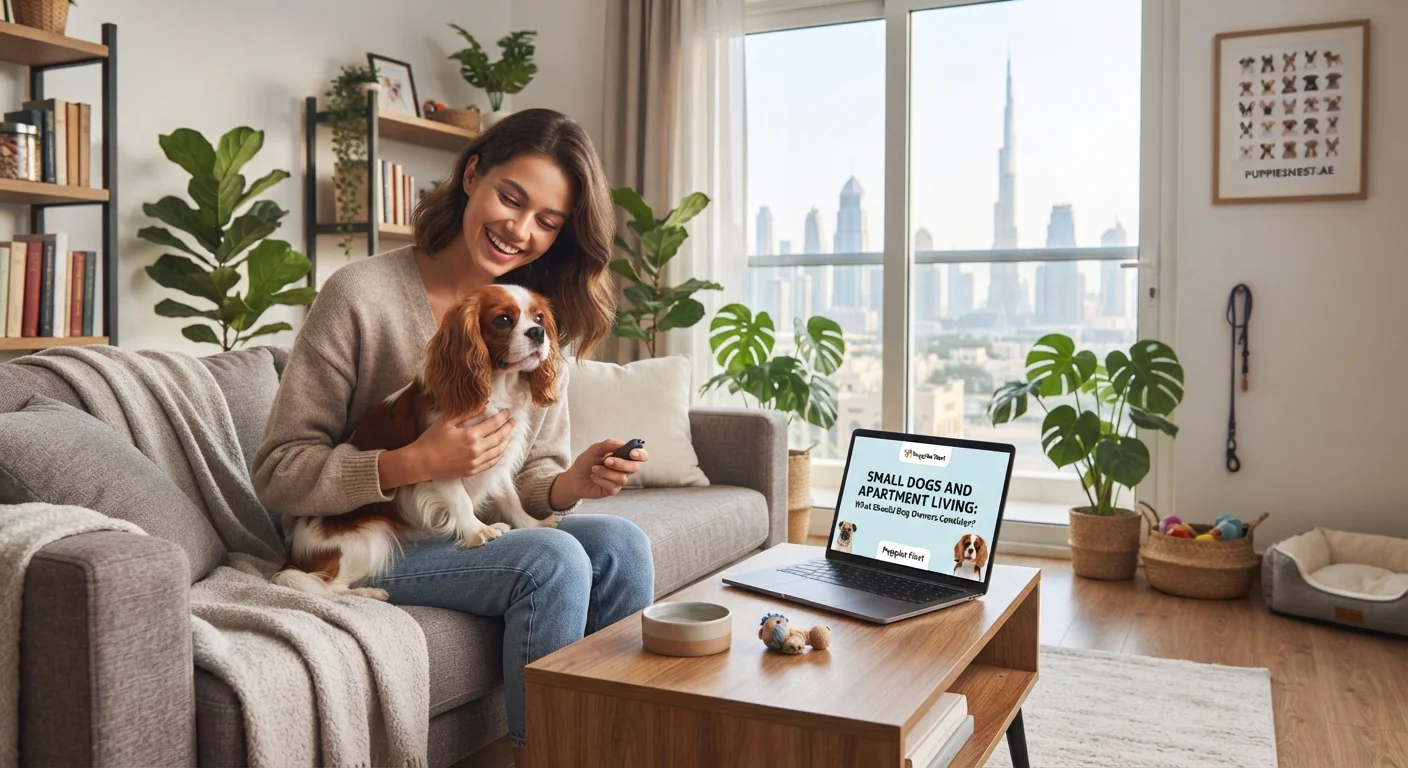
Living with a dog in an apartment or compact home can be a wonderful experience, but choosing the right dog requires more thought than simply looking for the smallest available breed. While small dogs are often associated with apartment living because they take up less physical space, size is only one part of the equation.
A small dog can still be energetic, vocal, demanding, playful, sensitive, or highly active. Some small breeds need considerable exercise and mental stimulation, while others may be more comfortable with moderate activity. Grooming requirements can also vary significantly, as can barking tendencies, training needs, social behavior, and the amount of attention a dog expects from its owners.
For people researching an online puppy store, browsing different breeds online can be a convenient first step. However, online research should be used to understand the needs of different dogs rather than making a decision based solely on photographs, size, color, or popularity.
The same applies to people searching for puppies for sale Dubai. Dubai’s urban lifestyle can be compatible with dog ownership, but prospective owners need to think carefully about their home, daily schedule, access to exercise, climate, grooming requirements, and ability to provide long-term care.
This guide explains what prospective owners should consider before choosing a small dog for apartment or compact-home living.
read more about luxury resorts North Coast Egypt
Why Small Dogs Can Work Well in Apartments
small dogs are often considered suitable for apartments because their physical size makes certain aspects of daily life easier.
They may require:
- Less floor space
- Smaller beds and crates
- Less food than many large breeds
- Easier transportation
- Less physical strength to manage
- Less room for basic indoor movement
These advantages can make small dogs practical companions for people living in apartments.
However, a small body does not mean a small personality or a small list of responsibilities.
A tiny dog may still need daily walks, training, play, grooming, socialization, veterinary care, and companionship.
The best apartment dog is therefore not necessarily the smallest one. It is the dog whose overall needs fit the household.
Size Is Only One Factor
When choosing a dog for a compact home, prospective owners often begin by asking:
“How small is the dog?”
A better question is:
“How does this dog’s overall lifestyle fit my home?”
Consider:
- Energy level
- Exercise requirements
- Barking tendencies
- Temperament
- Grooming needs
- Trainability
- Ability to settle indoors
- Socialization requirements
- Time alone
- Adult size
- Health considerations
Two dogs can be physically similar in size but completely different in their daily needs.
A calm small dog may adapt comfortably to an apartment routine, while a highly energetic small dog may require much more activity outside the home.
Think About Adult Size
One of the most important things to remember is that puppies grow.
A puppy may look extremely small when you first meet it, but its adult size can be significantly different.
Before choosing a puppy, research:
- Expected adult weight
- Expected adult height
- Growth rate
- Parent size
- Breed characteristics
Do not make your decision based solely on how small the puppy looks today.
The dog will eventually become an adult, and the adult dog’s needs should determine whether it is appropriate for your home.
Small Does Not Automatically Mean Easy
This is one of the most important concepts for prospective owners.
Small dogs are not automatically easier to care for.
A small dog may still:
- Bark frequently
- Need substantial exercise
- Require professional grooming
- Develop destructive habits
- Need extensive training
- Experience separation-related difficulties
- Require regular socialization
- Need considerable attention
The physical size of a dog does not determine its behavioral or emotional needs.
Apartment Size Matters, But Layout Matters Too
A small apartment can accommodate a dog, but the way the space is organized matters.
Think about where the dog will:
- Sleep
- Eat
- Drink
- Rest
- Play
- Receive grooming
- Stay when unsupervised
A compact home can work well when the environment is organized around the dog’s needs.
A large amount of furniture, narrow pathways, or unsafe balconies may create challenges even for a small dog.
Create a Dedicated Dog Area
A dog benefits from having a consistent area where it can rest.
This does not need to be an entire room.
A comfortable corner can include:
- A bed
- A crate if appropriately introduced
- Toys
- Water
- A quiet resting area
Family members should learn to respect the dog’s resting space.
Children should not disturb the dog when it is sleeping or trying to relax.
read more about family resorts North Coast Egypt
Exercise Still Matters
One of the biggest misconceptions about small dogs is that they do not need much exercise.
All dogs need appropriate physical activity.
The exact amount varies by breed, age, health, personality, and lifestyle.
Some small dogs may enjoy short walks combined with indoor play.
Others may require much more activity.
Before choosing a breed, research its typical energy level.
Ask yourself whether you can realistically provide that amount of activity every day.
Indoor Space Does Not Replace Outdoor Exercise
An apartment provides a place to live, but it should not become the dog’s entire world.
Many dogs benefit from regular walks and opportunities to explore different environments.
Outdoor activity can provide:
- Physical exercise
- Mental stimulation
- New smells
- Environmental experiences
- Social opportunities
- Training opportunities
The exact routine should depend on the dog’s age, health, temperament, and weather conditions.
Dubai’s Climate Requires Planning
People researching puppies for sale Dubai should consider the UAE’s hot climate when planning exercise.
Outdoor temperatures can become extremely high during parts of the year.
This means owners may need to schedule walks during cooler periods and rely more heavily on indoor activities when outdoor conditions are unsuitable.
A small apartment does not prevent a dog from getting enough activity, but the owner needs to be creative and consistent.
Indoor activities can include:
- Basic obedience training
- Puzzle toys
- Scent games
- Interactive play
- Trick training
- Food-based enrichment
Avoid Overlooking Mental Exercise
Physical exercise is only one part of a healthy routine.
Dogs also need opportunities to use their minds.
Mental stimulation can be particularly important for apartment dogs because they may have less environmental variety inside the home.
Useful activities include:
- Learning new commands
- Searching for hidden treats
- Puzzle feeders
- Interactive toys
- Scent-based games
- Training sessions
Short training sessions throughout the day can provide valuable mental stimulation.
Barking Is an Important Apartment Consideration
Noise is one of the most important issues to consider before bringing a dog into an apartment.
A dog that barks frequently can create tension with neighbors and make apartment living more difficult.
Some dogs are naturally more vocal than others.
However, barking is influenced by more than breed.
It can also be affected by:
- Boredom
- Anxiety
- Excitement
- Fear
- Lack of training
- Environmental triggers
- Attention-seeking behavior
Prospective owners should research typical vocal tendencies and consider whether they can provide appropriate training.
Why Dogs Bark
Barking is a form of communication.
A dog may bark because it:
- Hears a strange sound
- Sees someone outside
- Wants attention
- Is excited
- Is frustrated
- Is afraid
- Is bored
- Wants access to something
- Is reacting to another dog
The solution is not always simply telling the dog to stop.
Owners should first understand the reason for the barking.
Apartment Noise Can Trigger Barking
Apartments expose dogs to sounds they might not experience in detached homes.
A dog may hear:
- Elevators
- Doors closing
- People walking in hallways
- Neighbors
- Other dogs
- Cars
- Building maintenance
- Deliveries
Gradual socialization and appropriate training can help a dog become more comfortable with normal household and building sounds.
Teach Quiet Behavior Gradually
Training can help an owner manage barking.
A dog can learn to respond to cues and settle after excitement.
However, training should focus on understanding the underlying reason for the barking rather than relying solely on punishment.
If barking is associated with fear or significant distress, professional guidance may be appropriate.
Grooming Requirements Should Influence Your Choice
Grooming is another important consideration for apartment owners.
A dog with a high-maintenance coat may require:
- Frequent brushing
- Regular bathing
- Hair trimming
- Professional grooming
- Ear care
- Nail trimming
- Dental care
A small dog with a demanding coat may require more grooming effort than a larger dog with a simpler coat.
Therefore, coat type should be considered alongside size.
Shedding in Compact Homes
Shedding can be more noticeable in a small apartment because there is less space between the dog’s living area and the rest of the household.
Before choosing a breed, research its typical shedding level.
Consider whether you are comfortable with:
- Regular vacuuming
- Frequent brushing
- Hair on furniture
- Cleaning bedding
- Maintaining floors
No dog should be described as completely maintenance-free.
Professional Grooming Costs
Some small dogs require regular professional grooming.
If you are considering a breed with a high-maintenance coat, research local grooming prices before purchasing.
Calculate the likely annual expense.
For example:
Grooming cost per appointment × number of appointments per year = estimated annual grooming cost
This gives you a more realistic picture of ownership.
Grooming Can Become Part of the Routine
Owners can perform some grooming tasks at home.
Depending on the dog, this may include:
- Brushing
- Basic coat maintenance
- Nail care
- Tooth brushing
However, complicated grooming should be handled by someone with appropriate knowledge and equipment.
Puppies should also gradually become accustomed to gentle handling.
Training Is Essential in an Apartment
Training can make apartment living considerably easier.
A well-trained dog is easier to manage around:
- Elevators
- Hallways
- Neighbors
- Visitors
- Other dogs
- Building entrances
- Car rides
Basic commands can include:
- Sit
- Stay
- Come
- Leave it
- Wait
- Drop it
- Quiet
- Place
Training should be consistent and positive.
Toilet Training in an Apartment
Toilet training can require additional planning in apartment buildings.
A puppy may not always be able to reach an outdoor area immediately.
Young puppies may need frequent toilet opportunities.
Owners should create a predictable schedule based on the puppy’s age and needs.
Take the puppy out after:
- Sleeping
- Eating
- Drinking
- Playing
- Excitement
Consistency is more important than expecting instant results.
Accidents Are Normal During Puppyhood
Apartment owners should prepare for accidents.
Puppies are still developing bladder control and learning household routines.
Owners should clean accidents properly and continue training patiently.
Punishment can create fear and confusion.
Instead, reward appropriate behavior and establish predictable routines.
Socialization Matters in an Apartment
Socialization helps dogs become comfortable with the world around them.
Apartment dogs may encounter many people and environments, including:
- Neighbors
- Elevators
- Hallways
- Traffic
- Other dogs
- Visitors
- Different sounds
Gradual positive exposure can help puppies learn how to handle these situations appropriately.
Socialization Is Not the Same as Constant Interaction
A dog does not need to greet every person or dog it sees.
In fact, teaching a dog to remain calm without interacting with everyone can be particularly useful in an apartment environment.
The goal is a dog that can observe the world without becoming overwhelmed.
Visitors and Apartment Dogs
Visitors can be exciting for dogs.
A small dog may bark, jump, hide, or become overly excited.
Training can teach the dog to:
- Wait
- Sit
- Stay in a designated area
- Greet calmly
This is useful for both the owner and the visitors.
read more about beach clubs North Coast Egypt
Consider Separation and Time Alone
One of the biggest lifestyle questions for apartment owners is:
“How long will the dog be alone?”
A puppy generally needs more frequent care than an adult dog.
Long periods alone can be challenging, particularly for dogs that struggle with being separated from their owners.
Before getting a dog, consider your work schedule.
If you are away for long periods, you may need additional support.
Possible options include:
- A trusted pet sitter
- A dog walker
- Family assistance
- Appropriate daycare
The best solution depends on the dog’s individual needs.
Working From Home Does Not Mean Constant Attention
People who work remotely may assume their dog will automatically receive enough attention.
However, working from home can still involve long periods when the owner cannot interact with the dog.
The dog should learn to settle independently while the owner works.
A predictable routine can help.
For example:
- Morning walk
- Breakfast
- Quiet time
- Short training break
- Rest
- Afternoon activity
- Evening walk
The specific schedule should be adjusted to the dog’s needs.
Small Dogs Can Be Energetic
Some people choose small dogs because they assume their energy requirements will be low.
This can be misleading.
Certain small breeds can be highly active and may enjoy long walks, games, and training.
Before choosing a dog, research the typical energy level of the breed and evaluate the individual puppy.
Physical Size Versus Energy Level
These are separate characteristics.
A small dog can have high energy.
A large dog can have moderate energy.
Therefore, do not use size as a shortcut for exercise requirements.
Ask specifically about activity needs.
Choosing According to Your Routine
Think about what you can do consistently.
If you enjoy walking every morning and evening, a more active dog may fit your routine.
If you prefer shorter walks and indoor activities, look for a dog whose needs can be met through that type of lifestyle.
The important word is consistently.
Dogs depend on routines.
Daily Routine for an Apartment Dog
A good routine can make apartment living easier.
A typical day might include:
Morning
- Toilet break
- Walk
- Breakfast
- Short training session
Midday
- Rest
- Toilet break if needed
- Mental enrichment
Afternoon
- Play
- Short training
- Rest
Evening
- Walk
- Interactive play
- Dinner
- Calm family time
Night
- Final toilet break
- Quiet rest
The exact routine should depend on age and individual needs.
Puppies Need More Frequent Attention
Puppies generally need more supervision than adult dogs.
They are learning:
- Where to toilet
- What they can chew
- How to behave around people
- How to walk
- How to settle
- How to respond to basic commands
This can be demanding in an apartment.
Prospective owners should make sure they have enough time for puppyhood rather than assuming a puppy will immediately fit into an adult schedule.
Puppy-Proofing a Small Apartment
A compact home can contain many hazards.
Secure:
- Electrical cables
- Cleaning products
- Medicines
- Small objects
- Toxic foods
- Trash
- Balcony openings
- Unsafe plants
- Hot surfaces
- Accessible windows
Small puppies can fit into surprisingly narrow spaces.
Inspect the apartment from the puppy’s perspective.
Balconies Require Particular Attention
Apartment balconies can be dangerous if they are not properly secured.
A small dog may fit through openings that seem harmless to humans.
Do not allow a puppy unrestricted access to an unsecured balcony.
Safety barriers should be appropriate for the dog and properly installed.
Furniture and Puppy Behavior
Puppies naturally explore and chew.
Owners should provide appropriate chew toys and redirect unwanted behavior.
Do not expect a puppy to automatically understand that furniture, shoes, cables, and toys are different.
Training and management are both necessary.
Choosing an Appropriate Bed
Small dogs do not need huge beds, but they still need comfortable sleeping arrangements.
Choose a bed appropriate for the dog’s current size and expected growth.
If using a crate, make sure it is properly sized and introduced positively.
The dog should have enough room to rest comfortably.
Feeding in an Apartment
A small dog may eat less than a large dog, but feeding requirements still depend on age, activity, and individual needs.
Puppies need appropriate nutrition for growth.
Owners should follow suitable feeding guidance and avoid overfeeding.
Treats should also be included in the overall daily diet.
Water Must Always Be Available
Fresh drinking water should be available throughout the day.
This is especially important in a warm climate.
Owners should clean water bowls regularly and monitor whether the dog is drinking normally.
If you notice a significant change in drinking behavior or other concerning signs, contact a veterinarian.
Health Considerations for Small Dogs
Small size can come with specific care considerations depending on the breed.
Prospective owners should research relevant breed characteristics and discuss concerns with a veterinarian.
Avoid choosing a dog based on size alone.
The goal should be a healthy, appropriately cared-for individual dog whose needs fit your lifestyle.
Don’t Assume a Small Dog Needs Less Veterinary Care
A small dog still needs routine veterinary attention.
This can include:
- Wellness examinations
- Vaccinations
- Parasite prevention
- Dental care
- Weight monitoring
- Other veterinary services when necessary
Small size does not reduce the importance of preventive care.
Dental Care Can Be Important
Owners should establish appropriate dental-care habits.
Depending on the individual dog, this may include:
- Regular tooth brushing
- Dental examinations
- Professional cleaning when recommended
Ask your veterinarian about an appropriate routine.
Monitor Weight Carefully
Because small dogs have smaller bodies, relatively small changes in body weight can be significant.
Owners should monitor growth and body condition rather than relying only on appearance.
Regular veterinary visits provide an opportunity to assess development and nutrition.
Online Puppy Research
An online puppy store can be useful during the research stage because it allows prospective owners to browse different breeds, sizes, and characteristics from home.
However, online browsing should be the beginning of research rather than the end.
Photographs do not show everything about a puppy.
They cannot fully reveal:
- Temperament
- Health
- Socialization
- Daily behavior
- Living conditions
- Adult personality
Use online information to create a shortlist, then investigate each option carefully.
What to Look for in an Online Puppy Store
When researching an online puppy store, prospective buyers should look for clear information rather than vague marketing claims.
Useful information may include:
- Breed details
- Expected size
- Age
- Health information
- Vaccination records
- Care requirements
- Temperament information
- Contact details
- Transparent purchasing information
The more clearly a source explains a puppy’s needs, the easier it is for buyers to make informed decisions.
Do Not Choose From Photos Alone
A photograph can be appealing, but it should not determine the purchase.
A puppy’s color, facial expression, or pose tells you very little about its long-term compatibility with your household.
Research the breed.
Ask questions.
Review available health information.
Understand the puppy’s age and background.
Then decide.
Researching Puppies for Sale Dubai
People searching for puppies for sale Dubai may find many different breed options.
The search process should begin by defining your requirements.
For example:
“I need a dog that can live comfortably in an apartment, has moderate exercise requirements, is manageable for a first-time owner, and does not require extensive grooming.”
This is much more useful than simply searching for “cute small puppies.”
Create a Shortlist
Instead of choosing the first puppy that catches your attention, create a shortlist of several suitable breeds or individual puppies.
Compare them based on:
- Adult size
- Energy
- Temperament
- Grooming
- Training
- Health considerations
- Cost
- Lifestyle compatibility
Then eliminate options that do not fit your household.
Consider the Noise Environment
Think about the building itself.
Is it quiet?
Are there many neighbors?
Are walls thin?
Are there frequent visitors?
Are elevators nearby?
A dog that reacts strongly to hallway sounds may need additional training.
The environment can influence how comfortable an individual dog will be.
Elevator Training
For apartment residents, elevators can become part of the dog’s daily routine.
A puppy should gradually learn to remain calm in elevators.
Practice:
- Waiting near the elevator
- Entering calmly
- Standing safely
- Exiting without rushing
This can make daily walks easier and safer.
Hallway Etiquette
Apartment dogs should be taught not to rush through doors or jump on neighbors.
Basic leash manners are useful.
Owners should also clean up after their dogs and respect shared spaces.
Responsible behavior helps maintain positive relationships with neighbors.
read more about North Coast Egypt nightlife
Building Rules
Before bringing a dog into an apartment, check the building’s rules.
Some properties may have specific requirements regarding:
- Pets
- Common areas
- Elevators
- Noise
- Leashes
- Cleaning
- Access
Understanding these rules in advance prevents avoidable problems.
Training Around Other Dogs
Apartment living may mean encountering other dogs frequently.
Your dog does not need to become friends with every dog.
Instead, teach calm behavior around other animals.
Reward appropriate attention and calm walking.
If your dog becomes frightened or reactive, seek appropriate professional guidance.
The Importance of Early Positive Experiences
Puppies are learning constantly.
Everyday experiences can become opportunities for appropriate socialization.
For example:
- Hearing the vacuum cleaner
- Seeing people wearing different clothing
- Riding in a car
- Walking on different surfaces
- Being gently handled
- Hearing household noises
Introduce new experiences gradually.
Avoid overwhelming the puppy.
Respect the Dog’s Individual Personality
Not every small dog will enjoy the same lifestyle.
One may love meeting people.
Another may prefer quiet interaction.
One may be highly playful.
Another may be more relaxed.
Owners should respect the dog’s personality while providing appropriate training and socialization.
Avoid Overprotecting Small Dogs
Because small dogs are physically vulnerable, owners may become overprotective.
Carrying a dog everywhere can sometimes reduce opportunities for appropriate learning.
Small dogs still need safe, gradual exposure to normal environments.
The goal is confidence, not isolation.
Carrying Is Not a Substitute for Walking
Some owners carry small dogs because they are convenient to transport.
However, carrying should not replace appropriate physical activity.
Dogs need opportunities to walk, explore, sniff, and experience their environment when conditions are safe.
The amount should be appropriate for age, breed, and individual needs.
Consider Travel
Small dogs can be easier to transport than larger dogs, but travel still requires planning.
Consider:
- Transportation methods
- Car safety
- Carriers
- Accommodation
- Veterinary records
- Feeding routines
- Toilet breaks
If you travel frequently, make sure your preferred dog can realistically fit into your travel lifestyle.
Holidays and Boarding
Before purchasing a puppy, determine what happens when you travel.
Possible arrangements include:
- Trusted family members
- Pet sitters
- Boarding facilities
- In-home care
Research options before you need them.
Financial Planning
Small dogs can cost less in some areas, particularly food, but they still have ongoing expenses.
Budget for:
- Food
- Veterinary care
- Vaccinations
- Parasite prevention
- Grooming
- Training
- Toys
- Bedding
- Transportation
- Emergency treatment
A lower purchase price does not mean low lifetime costs.
Initial Puppy Expenses
Before the puppy arrives, you may need to purchase:
- Food
- Bowls
- Bed
- Crate
- Collar
- Harness
- Leash
- Identification
- Toys
- Grooming tools
- Cleaning supplies
These costs should be included in your initial budget.
Emergency Expenses
Every dog owner should have a plan for unexpected veterinary costs.
Injuries and illnesses can occur even when an owner provides excellent care.
An emergency fund can reduce financial stress.
The exact amount depends on your circumstances and access to veterinary services.
Choose the Dog You Can Care For Long Term
The most important question is not:
“Can I afford this puppy today?”
It is:
“Can I provide appropriate care for this dog throughout its life?”
Your financial situation, home, work schedule, and family circumstances may change.
The dog will still depend on you.
Common Mistakes When Choosing a Small Apartment Dog
Mistake 1: Choosing Only by Size
A tiny dog may still have substantial exercise or grooming needs.
Mistake 2: Assuming Small Means Quiet
Some small dogs can be highly vocal.
Mistake 3: Ignoring Training
Apartment dogs need manners just as much as dogs living in houses.
Mistake 4: Underestimating Exercise
Small bodies still need movement.
Mistake 5: Choosing Based on Appearance
A cute face does not guarantee compatibility.
Mistake 6: Ignoring Grooming
Coat maintenance can become a significant commitment.
Mistake 7: Not Considering Time Alone
A puppy may need considerably more attention than expected.
Mistake 8: Forgetting the Climate
Outdoor exercise needs to be planned carefully in hot weather.
Mistake 9: Skipping Socialization
Apartment dogs encounter many people, sounds, and environments.
Mistake 10: Buying Before Researching
Excitement can lead to impulsive decisions.
A Practical Apartment Dog Checklist
Before choosing a puppy, answer the following questions.
Size
What will the dog weigh as an adult?
Can I comfortably manage its physical size?
Exercise
How much activity does it need?
Can I provide this every day?
Noise
Is it likely to bark frequently?
Am I prepared to train it appropriately?
Grooming
How much brushing or professional grooming is required?
Can I afford and manage it?
Training
Do I have time to train a puppy?
Can everyone in the household follow consistent rules?
Socialization
Can I provide safe and positive experiences?
Health
Do I understand relevant breed considerations?
Are health and vaccination records available?
Time
How long will the dog be alone?
What arrangements are available when I am away?
Home
Is the apartment safe?
Are balconies, windows, cables, and hazardous objects secured?
Finances
Can I afford routine and unexpected care?
If the answers are positive, you are in a much stronger position to choose an appropriate companion.
read more about water sports North Coast Egypt
Choosing small dogs for apartment living can be an excellent option for many households, but small size should never be the only selection criterion.
The most suitable dog is one whose complete set of needs matches your lifestyle.
Before choosing, consider adult size, energy level, exercise requirements, barking tendencies, grooming, training, socialization, temperament, health considerations, time alone, climate, and financial responsibilities.
An online puppy store can be useful for researching breeds and beginning the search, but buyers should look beyond photographs and marketing descriptions. Learn about the puppy’s background, age, health information, vaccination history, temperament, and expected adult characteristics.
For people searching for puppies for sale Dubai, the local environment should also influence the decision. Apartment living, building rules, shared spaces, elevator use, neighborhood noise, hot weather, and access to suitable exercise all deserve consideration before bringing a puppy home.
Ultimately, the goal is not to find the smallest dog or the most attractive puppy. It is to find an individual dog that can thrive in your home while you are able to meet its physical, behavioral, social, and emotional needs.
A successful apartment-dog relationship depends on preparation. When owners understand the difference between physical size and actual care requirements, establish a consistent daily routine, provide appropriate exercise and mental stimulation, prioritize training and socialization, and plan for long-term healthcare, compact living does not have to prevent a dog from enjoying a fulfilling life.
The right small dog can become a wonderful companion in an apartment—but the best choice begins with understanding the dog, not simply choosing the smallest one.